
About CNshopper Spreadsheet
Click the images below to browse!






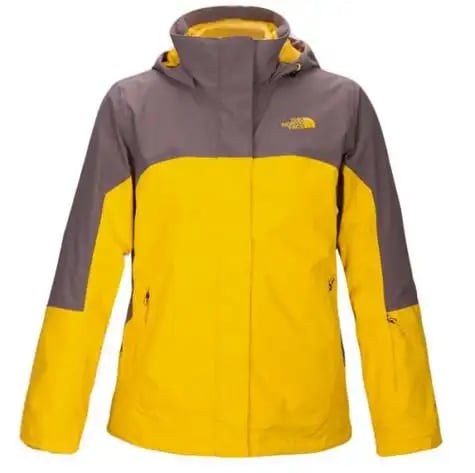


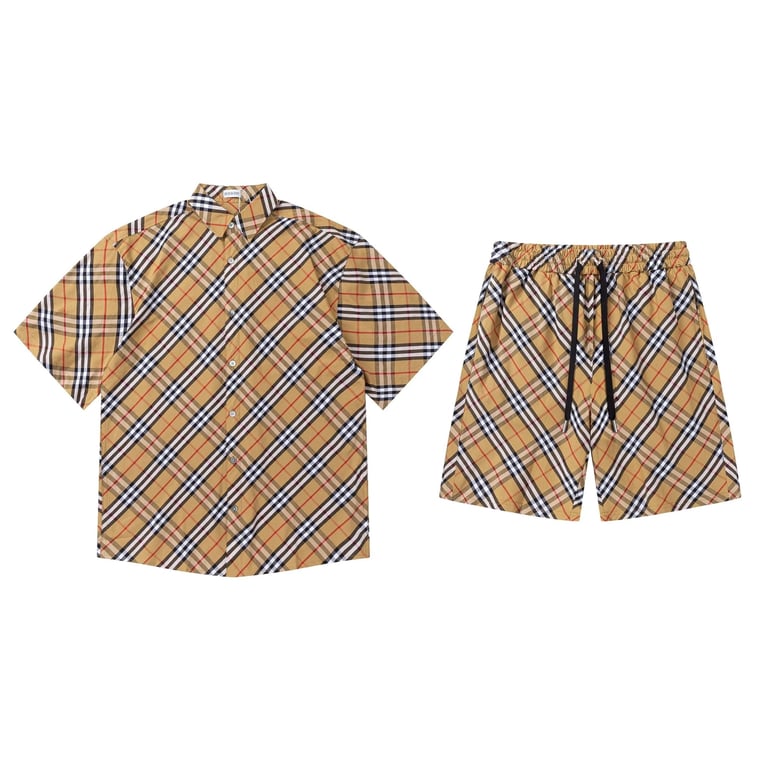
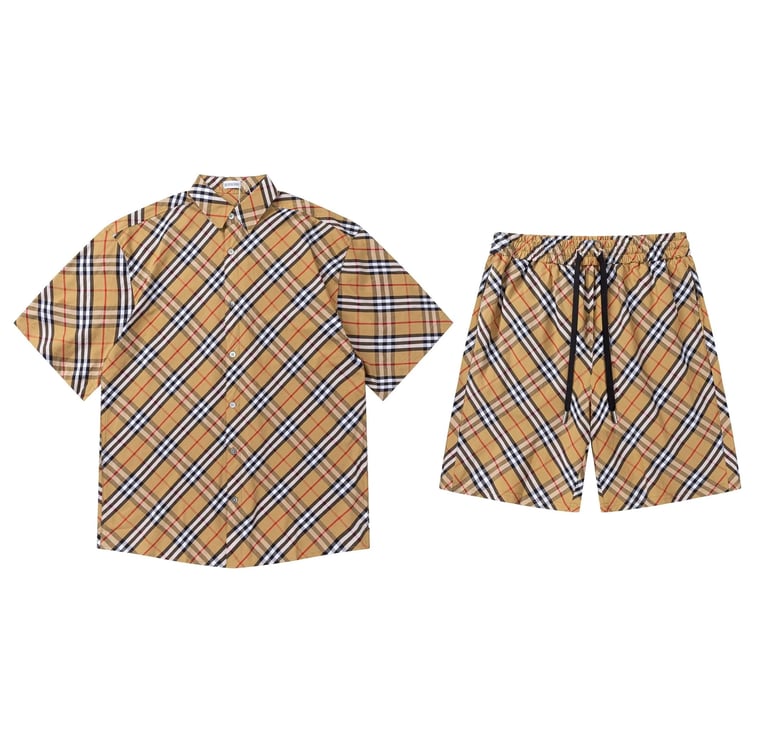


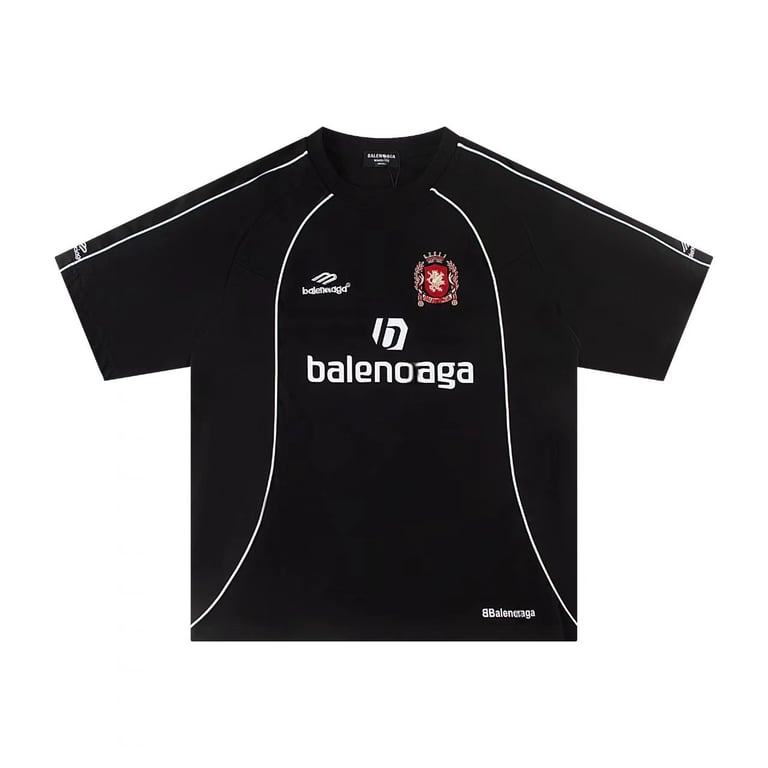
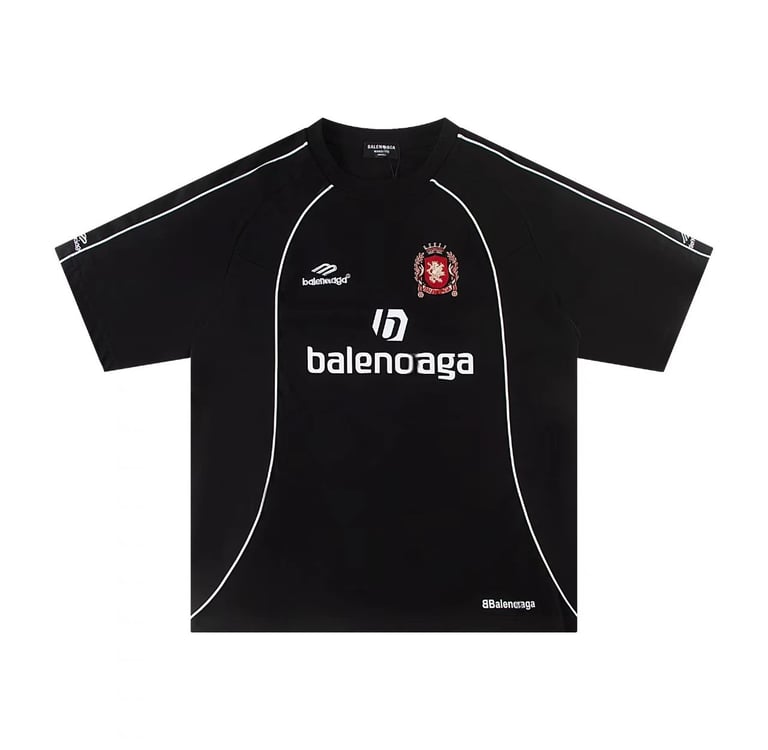



🌐 CNshopper spreadsheet enhancing clarity in international shopping behavior|behavior mapping + product evaluation + decision structure
In international ecommerce environments, user behavior is shaped by differences in market structure, pricing logic, and product presentation formats. These differences often create confusion during browsing and evaluation, especially when users attempt to compare products across regions with inconsistent data standards. As a result, decision-making becomes slower and less stable due to fragmented behavioral cues and unclear evaluation references.
The CNshopper spreadsheet addresses this issue by introducing a structured behavior mapping system that organizes international shopping actions into consistent evaluation pathways. Combined with CNshopper links, it reduces uncertainty in cross-border product discovery by aligning user behavior with structured decision logic.
🌐 International shopping behavior differences
International users do not follow a single standardized shopping pattern. Instead, behavior varies depending on regional ecommerce ecosystems, pricing expectations, and product availability structures.
In some markets, users rely heavily on brand recognition before evaluation. In others, price comparison plays a dominant role in decision-making. There are also environments where users prioritize delivery speed or supplier credibility over product specifications.
The CNshopper spreadsheet maps these behavioral differences into a unified structure, allowing inconsistent decision patterns to be interpreted within a consistent framework rather than treated as isolated actions.
⚠️ Information disorder in cross-border product environments
One of the main challenges in international ecommerce is information disorder. Product listings are often inconsistent across platforms, with variations in naming conventions, specifications, and pricing logic.
This creates several issues:
Users struggle to identify equivalent products across different markets
Comparison becomes dependent on manual interpretation rather than structured data
Decision confidence decreases due to unclear reference points
Repeated browsing occurs due to uncertainty in product equivalence
The CNshopper spreadsheet reduces this disorder by aligning product data into standardized structures that support direct comparison across regions.
🔄 Structural solution through CNshopper spreadsheet
The CNshopper spreadsheet introduces a structured system that converts fragmented international shopping data into organized evaluation units.
Instead of treating each listing as an independent item, products are grouped into comparable clusters based on shared attributes such as function, category, and pricing range.
This structure allows users to evaluate products using consistent reference points, reducing ambiguity during cross-border comparison. At the same time, CNshopper links provide structured entry points that guide users directly into relevant product clusters instead of unfiltered search results.
🧭 Decision flow optimization in international shopping
Traditional international shopping flows often involve repeated cycles of searching, filtering, and re-evaluating similar products across multiple platforms. This creates inefficiency and slows down final decision-making.
The CNshopper spreadsheet restructures this process into a more stable decision flow:
Users begin with structured category entry points rather than open-ended search.
They move into grouped comparison environments where similar products are evaluated together.
Final selection occurs within narrowed sets that already reflect key decision variables.
This reduces unnecessary repetition and shortens the overall decision path by minimizing unstructured browsing stages.
🧠 Behavioral economics model behind shopping clarity
From a behavioral economics perspective, decision complexity increases when users face too many unstructured alternatives. This often leads to delayed decisions, reliance on simplified heuristics, or complete decision avoidance.
In structured environments supported by systems like CNshopper spreadsheet, cognitive load is reduced because options are pre-organized into comparable units. Users are no longer required to independently construct evaluation frameworks during browsing.
Over time, repeated interaction with structured comparison systems supported by CNshopper links leads to more stable decision patterns. Users begin to rely on consistent reference structures rather than reactive comparison behavior, resulting in faster and more confident purchasing decisions.
In international ecommerce systems, clarity does not emerge from reducing the number of choices, but from restructuring how choices are presented and evaluated. The CNshopper spreadsheet improves clarity in global shopping behavior by mapping user actions into structured decision flows, standardizing product evaluation logic, and reducing informational inconsistency across markets.
This transforms international shopping from a fragmented behavioral process into a structured decision system where evaluation becomes consistent, predictable, and cognitively efficient.